




Understanding Audio Recording Devices
Capture high-quality audio with portable and professional audio recording devices designed for interviews, field work, music production, and on-location video shoots. Whether you're recording podcasts, conducting interviews, capturing ambient sound for film, or documenting live performances, audio recorders deliver the sound capture capabilities that built-in camera microphones cannot match.
Audio recording devices range from compact handheld recorders ideal for solo journalists and field recordists to multi-track systems that support simultaneous input from multiple microphone sources. These devices are engineered to capture pristine sound in environments where camera microphones fall short. Professional-grade recorders feature XLR input connectivity, lossless WAV file recording, and robust battery systems that keep you recording throughout extended sessions. Choosing the right recorder depends on your recording scenarios, microphone compatibility requirements, and whether you need single-channel or multi-track capability.
Key Features of Quality Audio Recorders
- Professional XLR microphone inputs for industry-standard connectivity
- Interchangeable and detachable microphone systems for flexible recording setups
- Support for high-quality lossless WAV file formats alongside compressed audio
- Built-in preamps with manual gain control for precise level management
- Rugged construction designed to withstand outdoor and field conditions
- Extended battery life enabling full-day recording sessions
- Compact, lightweight designs for portable and on-location work
- Onboard storage with SD card expansion for extended recording capacity
Recording Device Types and Applications
Handheld portable recorders from Zoom serve journalists, podcasters, and content creators who need compact, battery-powered solutions for interviews and field documentation. Multi-track recorders accommodate simultaneous input from several microphone sources, making them suitable for live performance capture, music production, and complex audio environments. Field recorders prioritize durability and high-capacity storage, built to endure outdoor environments while capturing clear audio for documentary work, location sound for video, and wildlife recording. Professional-grade recorders often integrate with existing audio setups through standard connectivity options, enabling seamless integration into studio and broadcast workflows.
Choosing the Right Audio Recorder
Solo recordists and journalists benefit from lightweight handheld models that fit in a camera bag or backpack. These devices typically feature one or two input channels and excel at capturing interviews, speeches, and ambient field recordings. Musicians and music producers requiring multi-track capability should prioritize recorders with multiple XLR inputs and robust audio processing features. For location sound recording on film and video sets, look for devices with professional-grade preamps, monitoring capabilities, and the ability to synchronize timecode with video cameras. Podcast and voiceover professionals need reliable recorders with consistent build quality and intuitive controls for extended recording sessions.
Audio Format and Recording Specifications
Quality audio recorders support WAV recording at 16-bit or 24-bit resolution and 44.1 kHz or 48 kHz sampling rates. These specifications ensure broadcast-quality audio capture suitable for professional applications. Many recorders also include compressed MP3 recording as a backup option for lower-bandwidth scenarios. Manual gain control and input monitoring allow you to adjust levels in real time, preventing clipping and distortion during unpredictable field environments. Built-in effects like compression and EQ processing provide additional control over captured audio without requiring post-production work.
Who Uses Audio Recording Devices
Podcasters and content creators depend on portable recorders to capture clean dialogue and ambient sound for audio-first and video-based content. Journalists use field recorders for interviews, news gathering, and documentary work where reliability and battery life matter. Musicians and music producers leverage multi-track recorders for songwriting sessions, live performance documentation, and music production workflows. Location sound professionals on film and television sets use professional-grade recorders as primary audio capture devices, synced with video cameras and integrated into broadcast-quality workflows. Educators and researchers use recorders for lectures, interviews, and field documentation. Travel vloggers and documentary makers rely on compact, rugged recorders to capture audio in remote environments.
Microphone Compatibility and Connectivity
Most professional audio recorders accept industry-standard XLR microphone inputs, enabling compatibility with a wide range of external microphones. Some recorders feature interchangeable microphone systems that attach directly to the device body, streamlining setup and reducing cable clutter. Others accept detachable microphones that can be swapped based on your recording environment. When selecting a recorder, verify microphone input options and consider whether you'll be using the recorder's built-in microphones, external studio lighting microphones, or a combination of both.
Portable Recording vs. Studio-Based Recording
Portable field recorders prioritize battery life, durability, and compact form factors for on-location work. Studio-based multi-track recorders often feature external power connectivity, larger displays, and more input channels. Some recordists use portable devices for field capture and transfer files to a computer for editing and mastering in a controlled environment. Others integrate portable recorders directly into live mixing workflows, using them as primary audio capture devices during performances and broadcasts. Understanding your primary use case helps determine whether a lightweight portable design or a feature-rich multi-track system better serves your recording needs.
Audio Recording FAQs
What's the difference between a handheld recorder and a multi-track recorder?
Handheld recorders are designed for single-source recording, capturing one or two audio channels with compact, battery-powered portability. They work well for interviews, field documentation, and solo content creation. Multi-track recorders support simultaneous input from multiple microphone sources, making them suitable for music production, live performance capture, and complex recording scenarios where you need to record several instruments or speakers at once.
Can I use an audio recorder with my camera?
Yes. Many recorders accept standard XLR microphone inputs, enabling them to work with external microphones. Some content creators use portable recorders as standalone devices, capturing audio separately from their video camera, then synchronize the files in post-production. Others connect external microphones directly to their camera if it has XLR inputs or use a microphone preamplifier to adapt XLR-output recorders to camera inputs. Recording audio on a dedicated device often yields better sound quality than relying solely on camera-mounted microphones.
What audio formats should my recorder support?
Professional-grade recorders should support WAV recording at 24-bit resolution and 48 kHz sampling rate, the broadcast standard for location sound and professional audio work. MP3 recording provides a compressed backup option for lower-bandwidth scenarios. For music production and studio work, 16-bit or 24-bit WAV at 44.1 kHz or 48 kHz ensures compatibility with digital audio workstations and mastering studios. Check your specific use case requirements before purchasing, as different applications may have different audio format preferences.
How long can I record on a single battery charge?
Battery life varies by model and recording settings, but quality portable recorders typically provide 8 to 15 hours of continuous recording on AA or rechargeable lithium batteries. Multi-track studio recorders often support external AC power for unlimited recording sessions. Invest in spare batteries and a reliable charger for extended field work, ensuring you never miss critical audio due to power depletion. Check your specific recorder's specifications to understand battery life in your intended use scenarios.
Do I need external microphones, or can I use the recorder's built-in mics?
Built-in microphones on recorders capture reasonable audio quality for basic documentation and backup recording, but dedicated external microphones significantly improve sound quality and directional control. Shotgun microphones reduce ambient noise and improve focus on a single sound source. Lapel microphones capture consistent voice levels during interviews. Condenser microphones provide clarity for music recording and voiceover work. For professional applications, external microphones are highly recommended despite the additional cost and setup complexity.
How do I synchronize recorder audio with video from my camera?
Most recorders and cameras don't synchronize automatically. In post-production, align audio and video files by matching visual cues like a clapper board or hand clap at the start of recording. Some professional recorders support timecode output, which syncs with timecode-enabled cameras, automating alignment in editing software. For simpler workflows, record a distinctive audio cue at the beginning of each video take, making synchronization straightforward during editing. Many video editors include automatic audio-video sync features that analyze waveforms and match files, streamlining the synchronization process.
Shop Audio Recording Devices at Samy's Camera
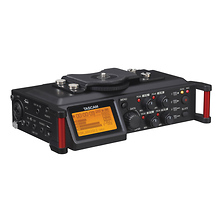
Samy's Camera carries a curated selection of audio recorders from brands like Zoom and Tascam, trusted by professionals worldwide. Whether you're starting a podcast, documenting a documentary, producing music, or capturing location sound for video, quality audio recording equipment ensures your message is heard clearly. Browse our full selection of video and audio equipment, microphones, and related accessories to build a complete recording setup. Our in-store experts can help you select the right recorder for your specific needs.